

Spoiler warning
Collector Leviathan
Threat: Lethal
A massive apex lifeform. Give it space, keep an escape route, and expect Leviathan details to contain spoilers.
Lifeform index
A creature and flora index grouped by lifeform type, with spoiler warnings for Leviathan entries.
This index combines current community databases and guide coverage into a field-guide view. Names, categories, and images may change during Early Access, so use the source links below for deeper database pages and patch context.
88 entries
High-threat spoiler-sensitive creatures. Open these only if you want names before discovering them yourself.
Threat: Lethal
A massive apex lifeform. Give it space, keep an escape route, and expect Leviathan details to contain spoilers.
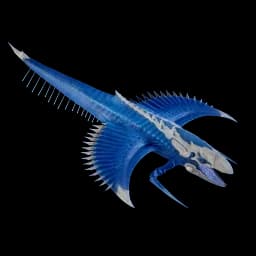
Threat: Lethal
A deep-water Leviathan threat. Avoid casual scouting near its territory unless you are prepared to retreat fast.
Bigger fish, jellies, arthropods, and crustaceans that shape exploration routes and threat planning.
Threat: High
A broad-bodied arthropod with long fins and sharp silhouette, easy to spot against open water.
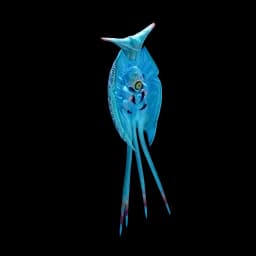
Threat: High
A large carnivore with a heavy profile. Keep distance and use terrain or vehicles to widen the gap.
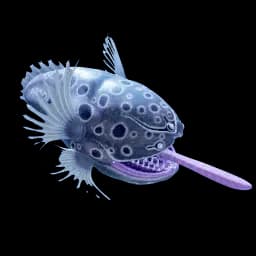
Threat: High
A bulky roaming fish that can dominate a route. Watch its movement before crossing open water.
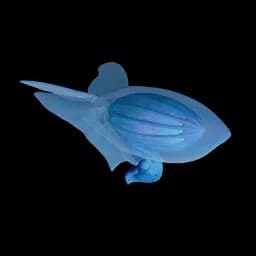
Threat: High
A bright jelly-like lifeform. Treat glowing open-water shapes as hazards until you know the area.
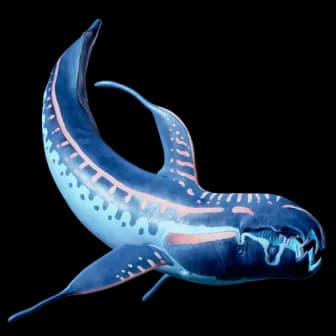
Threat: High
A mango-family predator with a sharp, armored look. Avoid lingering near narrow passes it patrols.

Threat: High
A spined mango-family predator. Plan a clean route past it instead of swimming straight through.
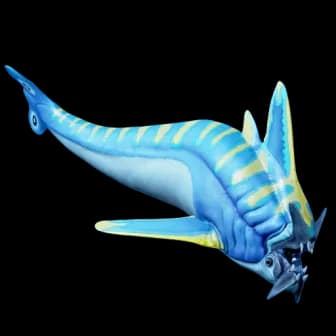
Threat: High
A large aggressive fish with a compact body. Keep oxygen and stamina margin when it is nearby.

Threat: High
A spear-shaped arthropod predator. Its silhouette is a useful warning sign in sandy or open routes.
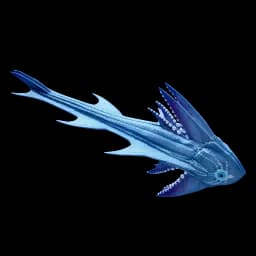
Threat: High
A twin-bodied ray-like predator. Give it a wide berth when crossing exposed water.
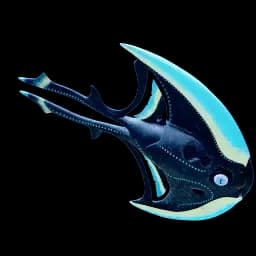
Threat: High
A large crescent-shaped fish. Use its bright body as an early cue to slow down and scan the area.
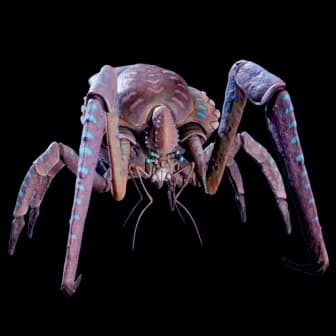
Threat: Low
A large crustacean with a reef-like shell. Useful as a landmark while mapping shallow routes.
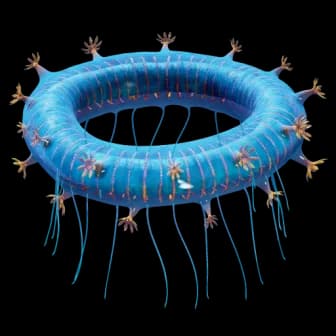
Threat: Low
A ring-shaped jelly lifeform. Its shape stands out clearly and can help orient long swims.
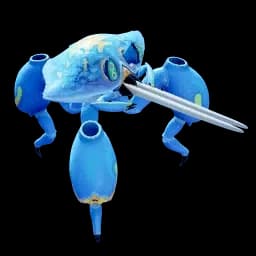
Threat: Low
A large crustacean with a distinctive shell. Watch its path and use it as a visual cue in busy biomes.
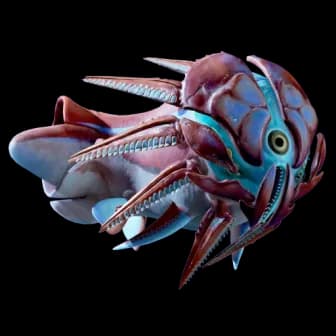
Threat: Low
A broad-headed herbivore. Its size makes it easy to identify without getting too close.
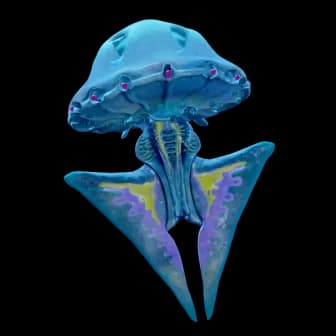
Threat: Low
A glowing jelly lifeform. Good for visual orientation, but avoid drifting into unfamiliar clusters.
Threat: Low
A large jelly-like creature with a soft round body. Use it as a landmark in open water.
Smaller mobile lifeforms used for scanning, biome recognition, and early survival notes.

Threat: Medium
A compact carnivore with a blunt head. Stay alert when several small fish suddenly scatter.
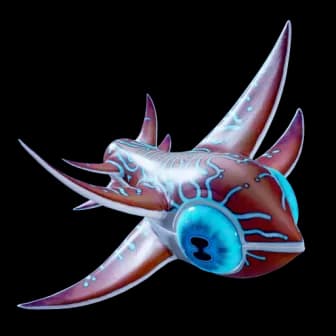
Threat: Medium
A small carnivore with a striking face pattern. Keep moving if it starts closing distance.
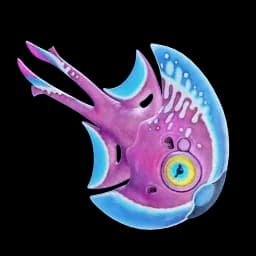
Threat: Medium
A crescent-shaped small fish. Its variants are easy to mix up, so rely on color and body shape.
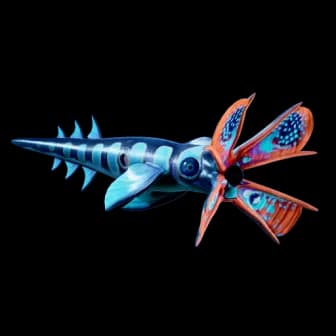
Threat: Medium
A small but aggressive-looking fish. Treat it as a route nuisance when exploring tight spaces.

Threat: Low
A small salpapod with electric coloring. A useful scan target when cataloging early fauna.
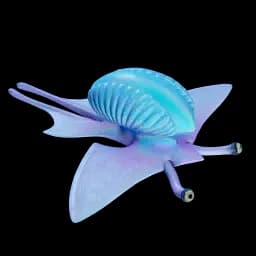
Threat: Low
A bright water slug. Its glow makes it easier to notice while swimming through cluttered areas.
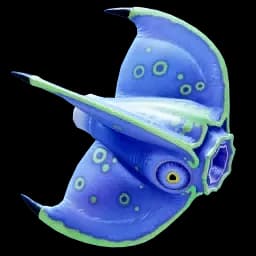
Threat: Low
A small salpapod lifeform. Look for its rounded shape when scanning low-threat fauna.
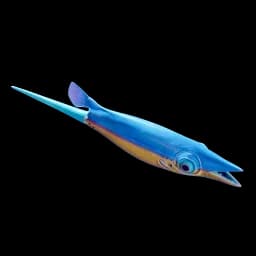
Threat: Low
A small spined fish. Its silhouette is useful for recognizing familiar shallow routes.
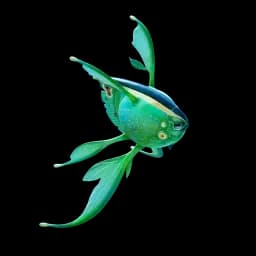
Threat: Low
A small rounded fish with a clean profile. Good for filling out early scan logs.
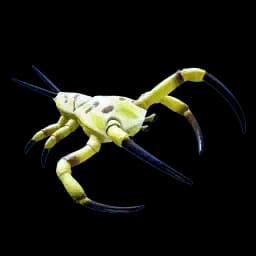
Threat: Low
A small symbiotic-looking creature. Its unusual shape makes it stand out among reef life.
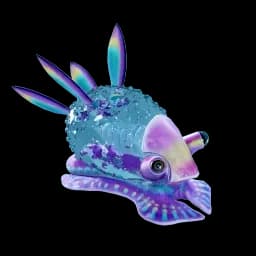
Threat: Low
A soft-bodied slug found around calmer routes. Easy to recognize by its slow, simple profile.
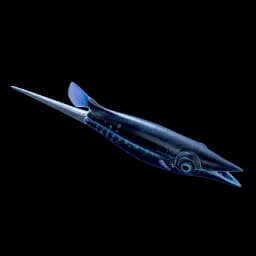
Threat: Low
A darker Hoverthorn variant. The color shift makes it useful for distinguishing nearby zones.
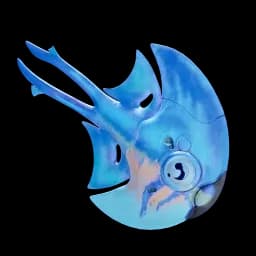
Threat: Low
A blue Halfmoon variant. Use its color as a quick visual marker while scanning schools of fish.
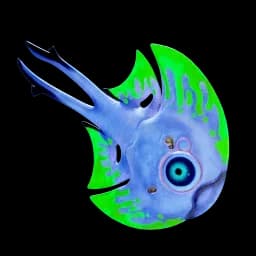
Threat: Low
A warm-colored Halfmoon variant. It is mostly useful for collection and scan completion.
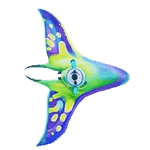
Threat: Low
A bright Halfmoon morph with a clean mirrored profile. Easy to spot in open water.
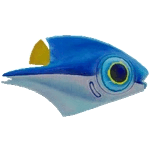
Threat: Low
A small fish with a pointed tail and vivid blue body. Best treated as harmless route life.
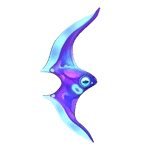
Threat: Low
A ghostly ray-like fish. Its pale fins stand out against darker water.
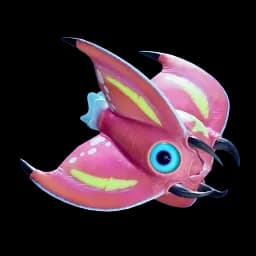
Threat: Low
A boxy salpapod with a simple outline. Useful for identifying calm fauna pockets.
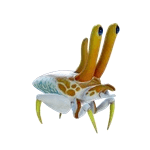
Threat: Low
A small crustacean with raised eye stalks. Look near reef surfaces and cluttered terrain.
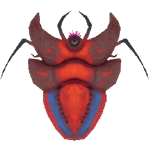
Threat: Low
A red shrimp-like arthropod. Its color makes it easy to pick out near pale coral.
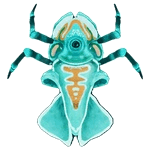
Threat: Low
A teal arthropod with a bright centerline. A clear visual cue in small-lifeform clusters.
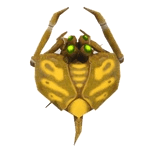
Threat: Low
A small armored arthropod. Its flat body helps it blend with seafloor details.
Threat: Low
A tiny red shrimp-like lifeform. Best noticed when moving slowly through dense biomes.
Stationary coral and gorgon lifeforms that work well as visual landmarks while mapping a route.
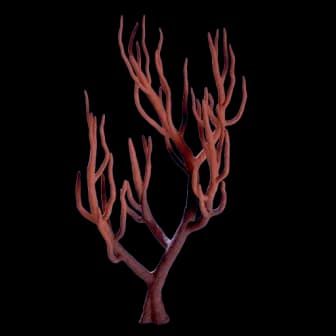
Threat: None
A branching coral formation. Strong landmark material for marking paths and reef edges.
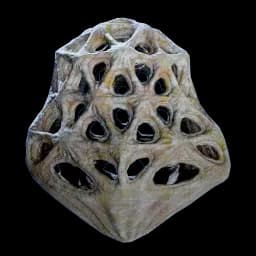
Threat: None
A cage-shaped gorgon. Its open structure makes it useful for recognizing a specific route.
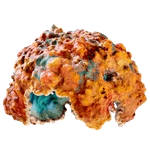
Threat: None
A rounded coral mass. Good for visual navigation because it reads clearly from a distance.
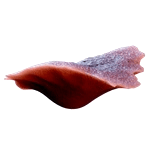
Threat: None
A flat coral with a warm-toned body. Useful for identifying reef shelves and walls.
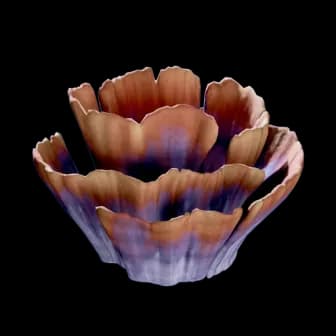
Threat: None
A hanging gorgon form. Look for it around vertical surfaces and shaded routes.
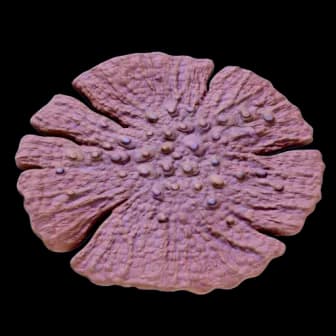
Threat: None
A plated coral with scale-like texture. A strong landmark when moving through coral fields.
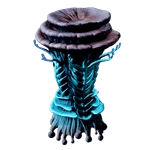
Threat: None
A tall mushroom-like formation. Its height makes it a good anchor point while navigating.
Threat: None
A gorgon-like sessile lifeform with a distinctive silhouette. Good for route recognition.
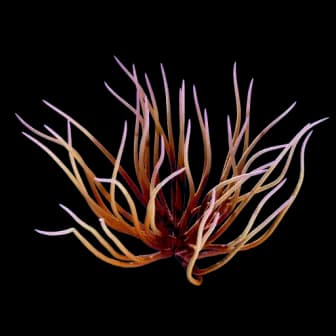
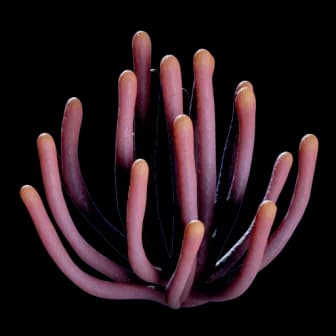
Threat: None
A thin whip-like gorgon. Use clusters of it to recognize biome transitions.
Plant-like life, raions, rotsacs, pylons, and other flora that may matter for crafting or navigation.
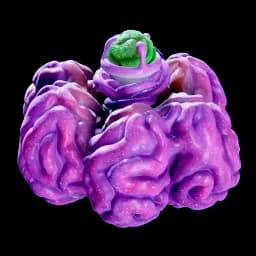
Threat: None
A raion-family plant tied to early crafting materials. Harvest carefully and keep track of where it grows.

Threat: None
A comb-like juvenile plant. Its bright form makes it easy to spot while scanning flora.
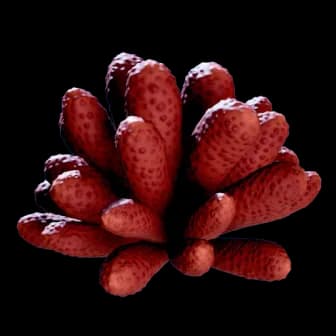
Threat: None
An algae-like flora with a compact sponge form. Useful for filling out scan entries.
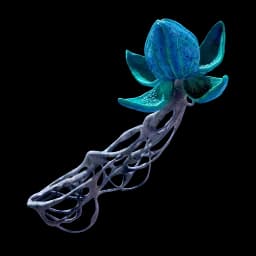
Threat: None
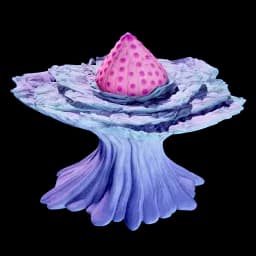
A canker-like plant with a vivid bloom. Use it as a small landmark near dense growth.
Threat: None
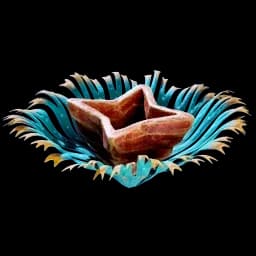
A starfish-like shootroot. Its flat body makes it easy to miss on busy surfaces.

Threat: None
A fruiting rotsac plant. Remember its location if you are collecting organic materials.
Threat: None
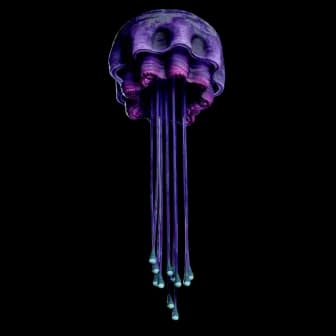
A shootroot with a cradle-like shape. Good for recognizing starfish-style flora clusters.
Threat: None
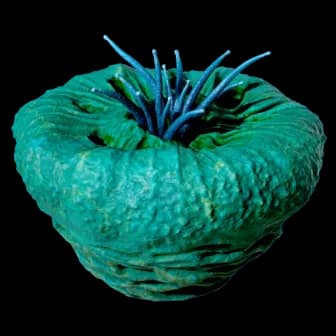
A hanging tunic-like plant. Watch for it around overhangs and vertical terrain.
Threat: None
A ring-shaped raion with worm-like growths. Its shape makes it easy to recognize.
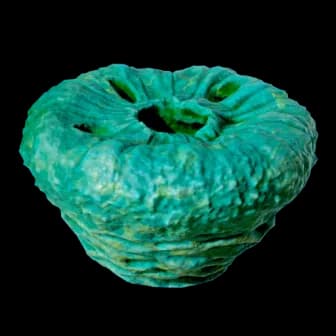
Threat: None
A cleaner ring-shaped raion form. Compare it with the worm-covered variant while scanning.
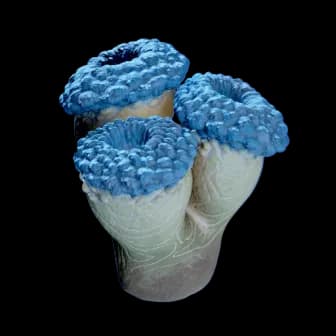
Threat: None
A drum-like kelp form. Useful as a visual marker in plant-heavy areas.
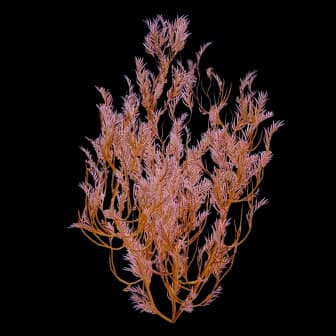
Threat: None
A feathered kelp plant. One of the easier flora silhouettes to use for navigation.
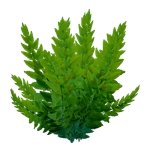
Threat: None
A fern-like kelp plant. Its green fronds stand out against darker terrain.
Threat: None
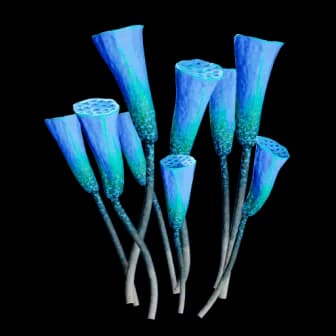
A bulbous raion-family plant. Look for its rounded shape when collecting flora scans.

Threat: None
A flower-like plant with a clean silhouette. Useful for recognizing quieter flora zones.
Threat: None
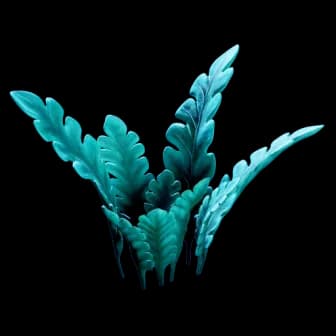
A worm-like flora form with a bright body. Easy to notice against dark rock.

Threat: None
A large spire-like plant. Use it as a route anchor when exploring open spaces.
Threat: None
A mollusc-like sessile lifeform with a dramatic shell. Good for visual orientation.
Threat: None
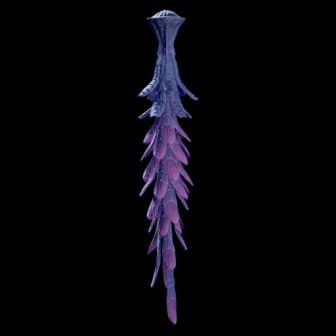
A jelly-like sessile plant. Its soft shape helps break up coral-heavy scenery.
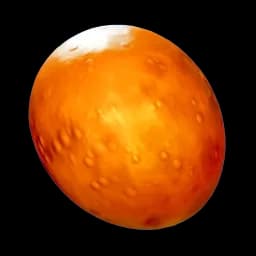
Threat: None
A rotsac plant used in the rubber and grease crafting path. Mark good gathering spots.
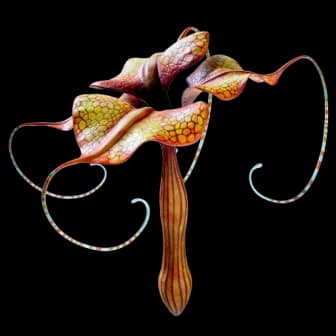
Threat: None
A pylon-like plant with a strong vertical profile. Useful for returning to the same path.
Threat: None
A pale, jelly-like sessile lifeform. It stands out well in darker routes.
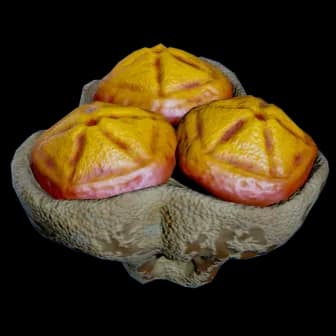
Threat: None
An unusual anomaly-like flora form. Scan it when you see it because it is easy to overlook later.
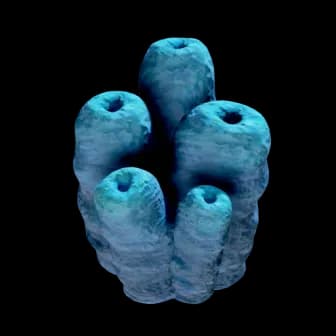
Threat: None
A tube cluster with a hazard-coded look. Give it space until you understand the local terrain.
Threat: None
A round orb-like plant on thin supports. Its silhouette is useful for mapping plant fields.
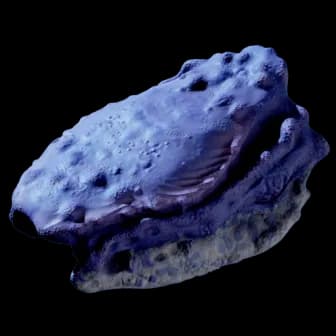
Threat: None
A large sessile form that reads like rock and flora together. Good for identifying a biome edge.
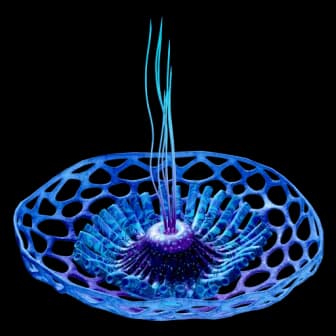
Threat: None
A bowl-shaped raion form. Look for its open center when scanning raion clusters.
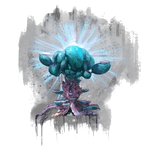
Threat: None
A large tree-like plant. Its height and shape make it one of the strongest landmarks.
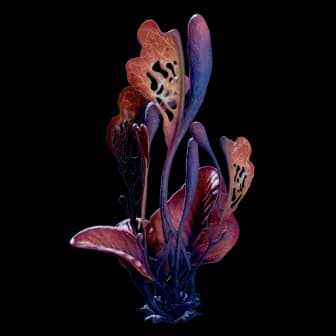
Threat: None
A compact kelp form with a distinctive texture. Useful for recognizing familiar flora patches.
Sponge and tunic entries grouped separately so the flora section does not become unreadable.
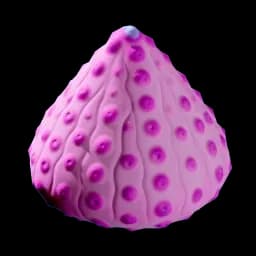
Threat: None
A shell-like sponge form. Good for recognizing sponge fields and shallow surfaces.
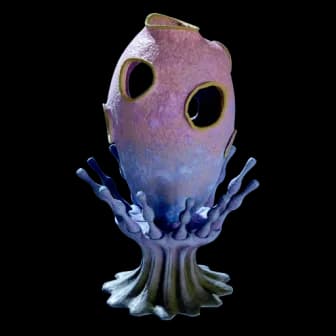
Threat: None
A vase-like sponge. Its shape is easy to identify while swimming past reef walls.
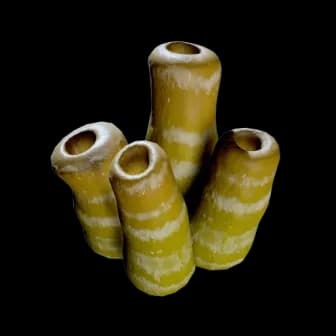
Threat: None
A tube-like sponge with a heavier profile. Useful for identifying sponge clusters.
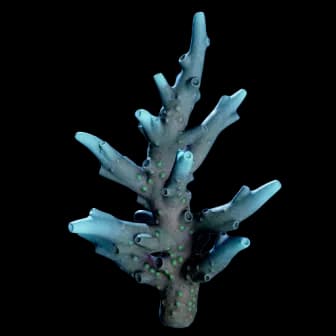
Threat: None
A tunic-like sessile plant. Scan it when moving through dense, hanging growth.
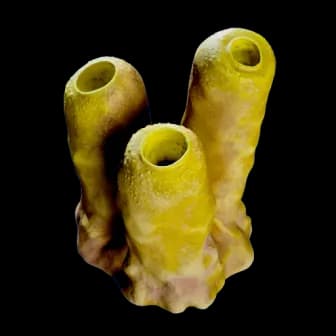
Threat: None
A bright tube sponge. Its color makes it a clean marker on darker seafloor routes.
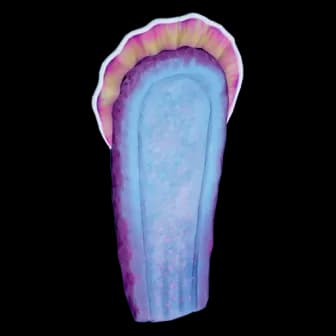
Threat: None
A rounded sponge with a compact profile. Good for spotting low flora on reef shelves.

Threat: None
A tunic-like plant associated with breathable route planning. Remember locations that help longer dives.
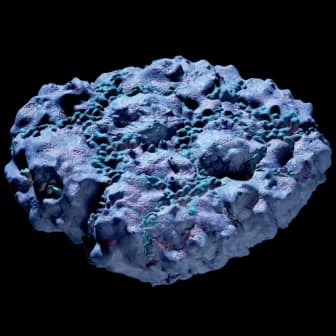
Threat: None
A pebble-textured sporal form. It blends into terrain, so slow down when scanning.
Threat: None
A hazardous-looking sponge. Keep a little distance when navigating tight spaces around it.